The chemical composition of a battery will determine its overall characteristics. Learn more about each chemistry type and how to select the right one.
Table Of Contents
Battery chemistry refers to the chemical composition of a battery’s electrodes, electrolytes, and separators, which together determine its performance characteristics. When choosing chemistry, it’s critical to balance performance with safety, regulatory compliance, environmental impact, sustainability, and cost-effectiveness over the battery’s lifecycle.
With that being said, selecting the right chemistry is a multifaceted challenge. Each chemistry has unique advantages and limitations, and there aren’t necessarily any “bad” options—it just depends on your application.
What Are the Common Types of Battery Chemistries?
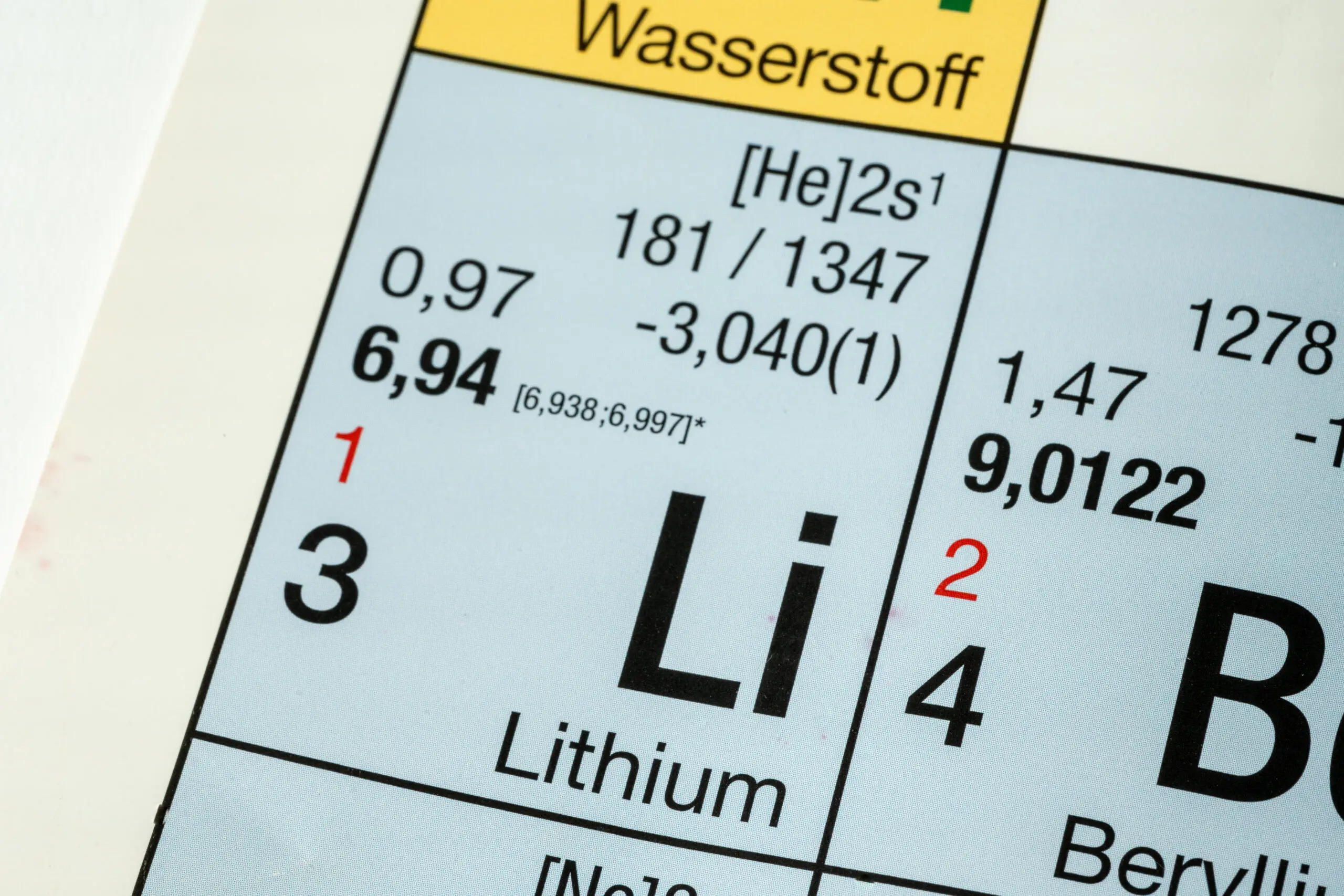
Lithium-ion (Li-ion): Known for high energy density and long cycle life, ideal for portable electronics and electric vehicles (EVs).
Lead-Acid: Robust and low cost, commonly used in automotive starting, lighting, ignition batteries, and backup power systems.
Nickel-Metal Hydride (NiMH): Good energy density and safety, popular in hybrid vehicles and consumer electronics.
Lithium Polymer (LiPo): Lightweight, thin variant of Li-ion, favored in drones and remote-controlled models.
Sodium-Ion (Na-ion): Emerging as a sustainable, cost-effective alternative for large-scale energy storage.
Solid-State: Offer higher safety and energy density than traditional Li-ion but still in development.
Flow: Scalable with long cycle life, excellent for grid-scale energy storage.
Others (e.g., zinc-air, lithium-sulfur): Specialized chemistries with high energy density or low environmental impact for niche applications.
Factors to Consider When Selecting Chemistry
Energy Density: Li-ion and LiPo lead, suitable for compact devices.
Power Density: NiMH and Li-ion excel for high-power needs.
Cycle Life: Certain Li-ion variants (LFP, LTO) and flow batteries offer extended service life.
Safety: Solid-state and NiMH batteries present lower thermal runaway risks.
Environmental Impact: Sodium-ion and zinc-air offer more sustainable solutions.
Cost: Lead-acid and sodium-ion batteries provide affordable options balancing performance and budget.
Other Application-Specific Considerations
Portable Electronics: Require high energy density and compact size, favoring Li-ion and LiPo batteries.
Electric Vehicles (EVs): Demand high energy, power density, long cycle life, and safety, making Li-ion the preferred choice; Na-ion is emerging for cost-sensitive applications.
Renewable Energy Storage: Needs scalability and longevity, which is where flow and Li-ion batteries excel.
Medical Devices: Prioritize safety and reliability, commonly using Li-ion and NiMH.
Aerospace & Defense: Require high performance and safety, often relying on solid-state and Li-ion batteries.
Grid-Scale Energy Storage: Focus on cost-effectiveness and sustainability, favoring flow and sodium-ion batteries.
Still Have Questions? Contact Treetown Tech
Based in Ann Arbor, MI, Treetown Tech offers deep expertise in cell chemistries, battery pack design, development, prototyping, production, and battery management systems (BMS).
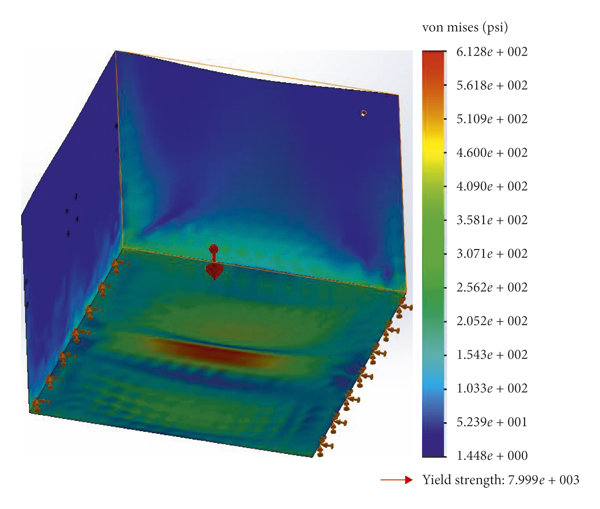
Our battery engineering experts can help you navigate these complex choices, use advance testing and simulation tools to predict performance, and ensure your selected chemistry is compliant and aligns with industry trends.
To provide the best experience on our website, we use cookies to store and / or access device information.
Functional
Always active
The technical storage or access is strictly necessary for the legitimate purpose of enabling the use of a specific service explicitly requested by the subscriber or user, or for the sole purpose of carrying out the transmission of a communication over an electronic communications network.
Preferences
The technical storage or access is necessary for the legitimate purpose of storing preferences that are not requested by the subscriber or user.
Statistics
The technical storage or access that is used exclusively for anonymous statistical purposes. Without a subpoena, voluntary compliance on the part of your Internet Service Provider, or additional records from a third party, information stored or retrieved for this purpose alone cannot usually be used to identify you.The technical storage or access that is used exclusively for anonymous statistical purposes. Without a subpoena, voluntary compliance on the part of your Internet Service Provider, or additional records from a third party, information stored or retrieved for this purpose alone cannot usually be used to identify you.
Marketing
The technical storage or access is required to create user profiles to send advertising, or to track the user on a website or across several websites for similar marketing purposes.