Treetown Tech white logo
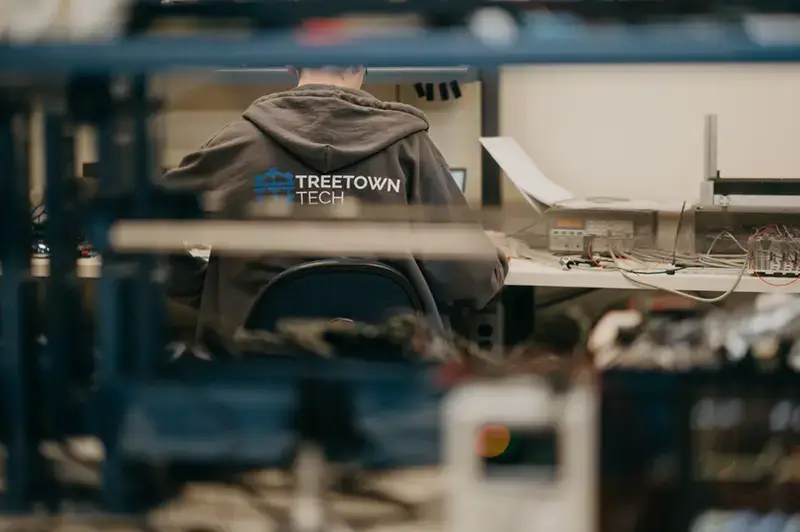
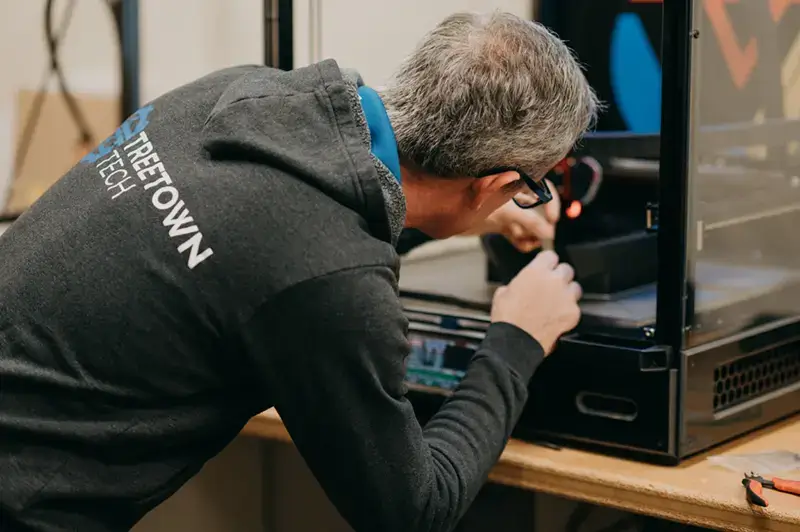
Treetown Tech employee working on product

Rapid Prototyping Services for Complex Hardware Products

Most hardware problems show up the first time you hold a device, power it on, or put it under load.

Treetown Tech provides rapid prototyping services for hardware products to help you find critical problems early on (before they’re expensive) and build the confidence to move forward with the right design. We specialize in projects that require integrated mechanical, electrical, and software systems.

If you need a team that can design and produce prototypes requiring integrated mechanical, electrical, and software systems, as well as solve the problems that those prototypes reveal, you need Treetown Tech.

Mechanical and Structural Prototyping

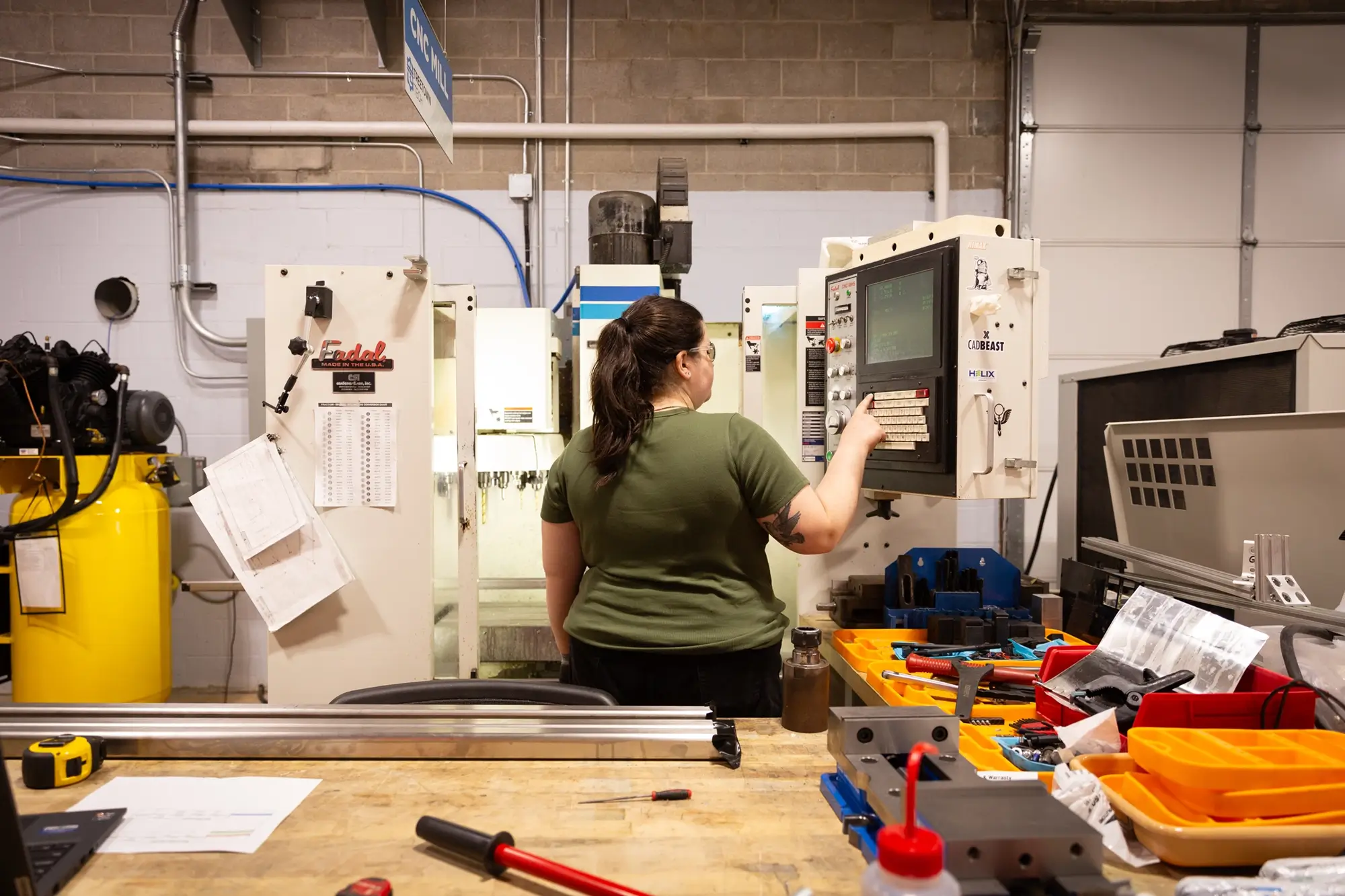
Treetown Tech’s mechanical prototype services cover concept models, functional prototypes, and pre-production builds across materials and manufacturing methods. Our in-house facility includes the needed tooling, including 3D printers, CNC machines, laser cutters, and welders, to build quickly and iterate fast. More importantly, our mechanical engineers work alongside electrical and software engineers from day one, so mechanical decisions get made with the full system in view.

A Treetown Tech employee working on a project
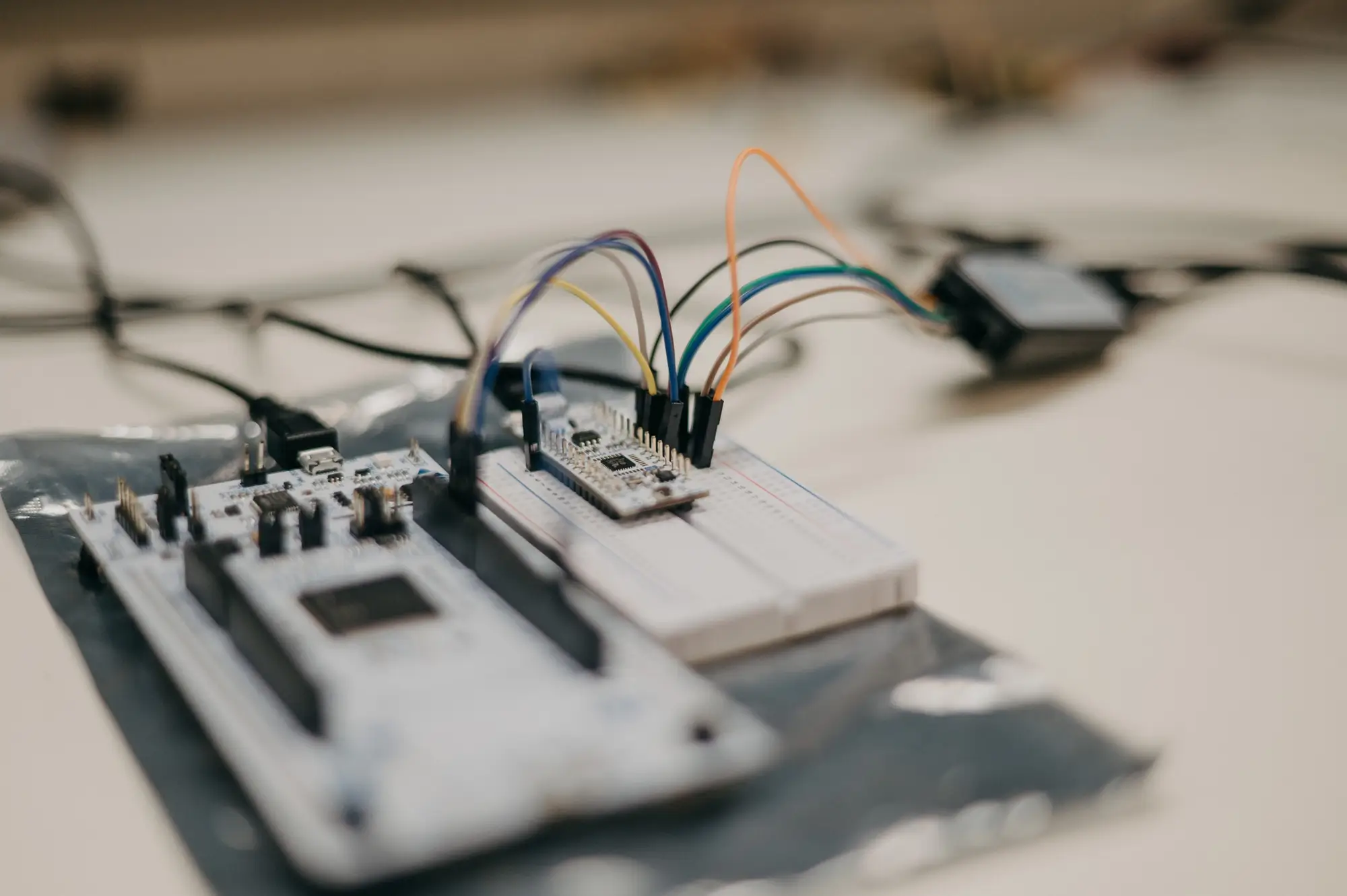
Wiring connections

Electronics and Electrical Systems

Our electronics prototyping covers PCB design and layout, power systems, sensor integration, and custom electronics for applications where off-the-shelf components don't fit the requirements. For battery-powered products, our in-house battery engineering team handles pack design, BMS development, and power management as part of the prototype build, not as a separate vendor engagement.

Embedded Software and Firmware

Our software engineers develop embedded firmware, control systems, and hardware/software interfaces alongside the physical build. For products with connectivity, sensing, or autonomy requirements, the software prototype is built and tested in parallel with the hardware because finding a firmware problem after the enclosure is finalized is a different kind of expensive than finding it in week three.

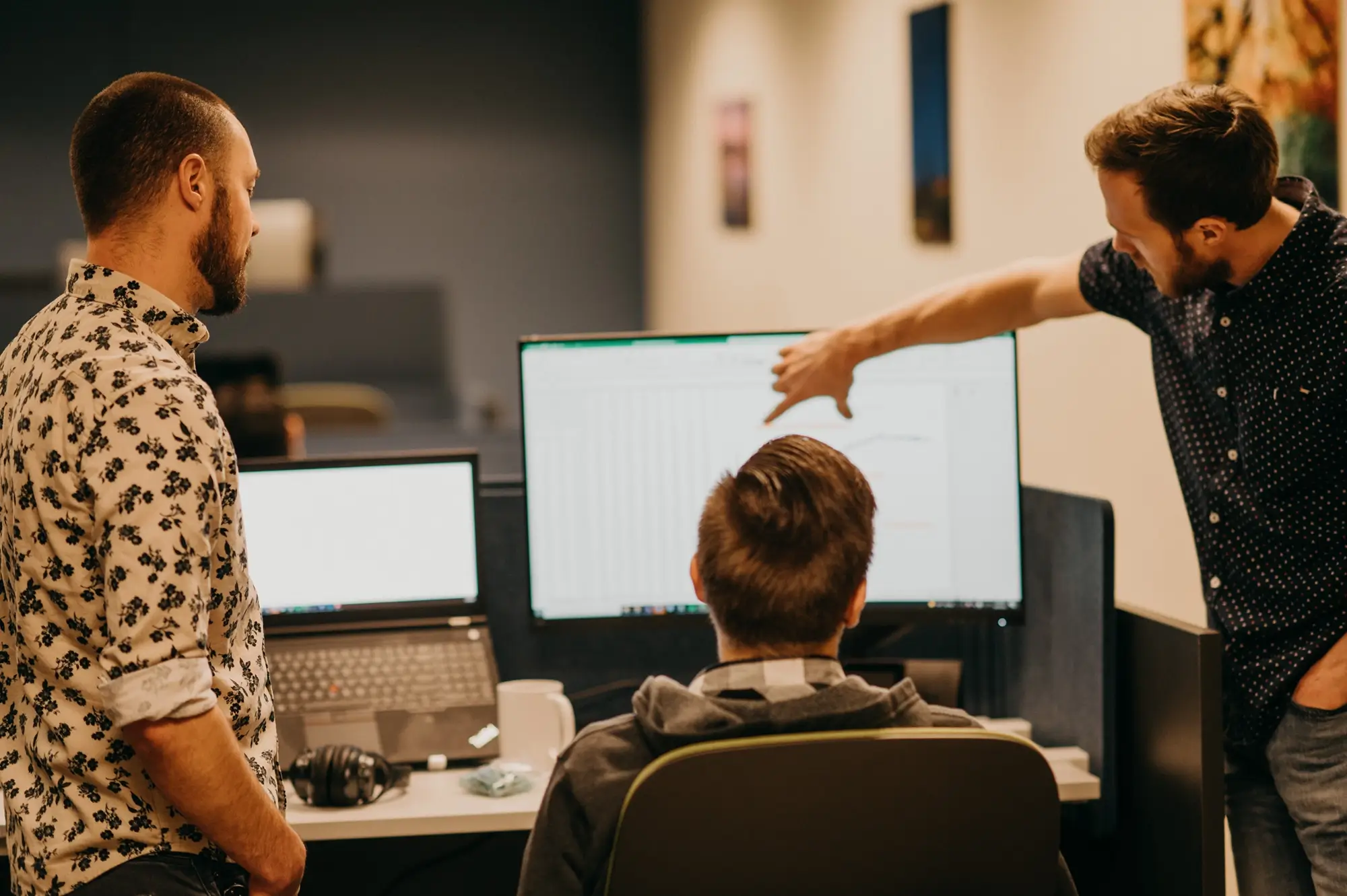
Treetown Tech employees looking at computer screen
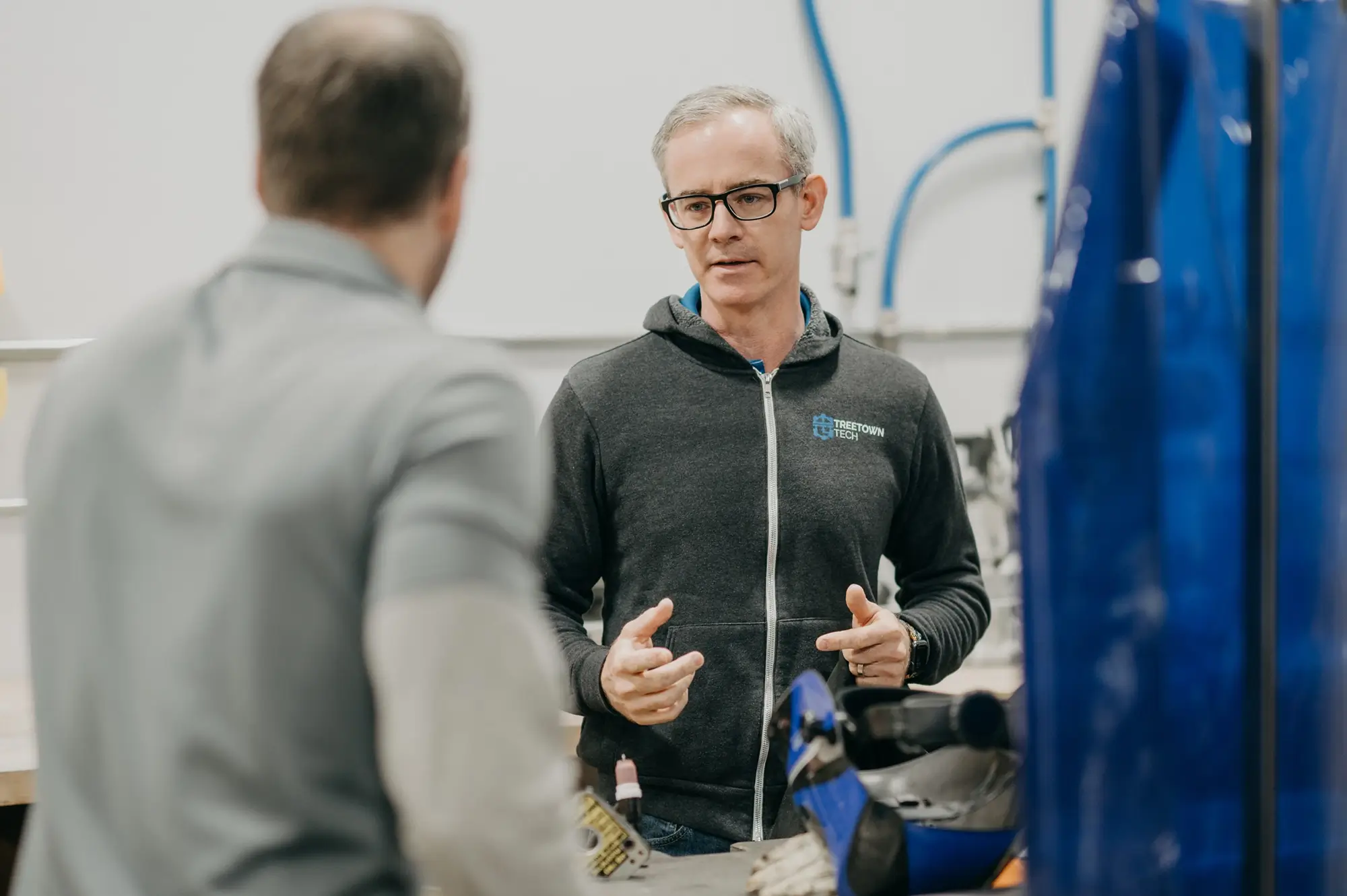
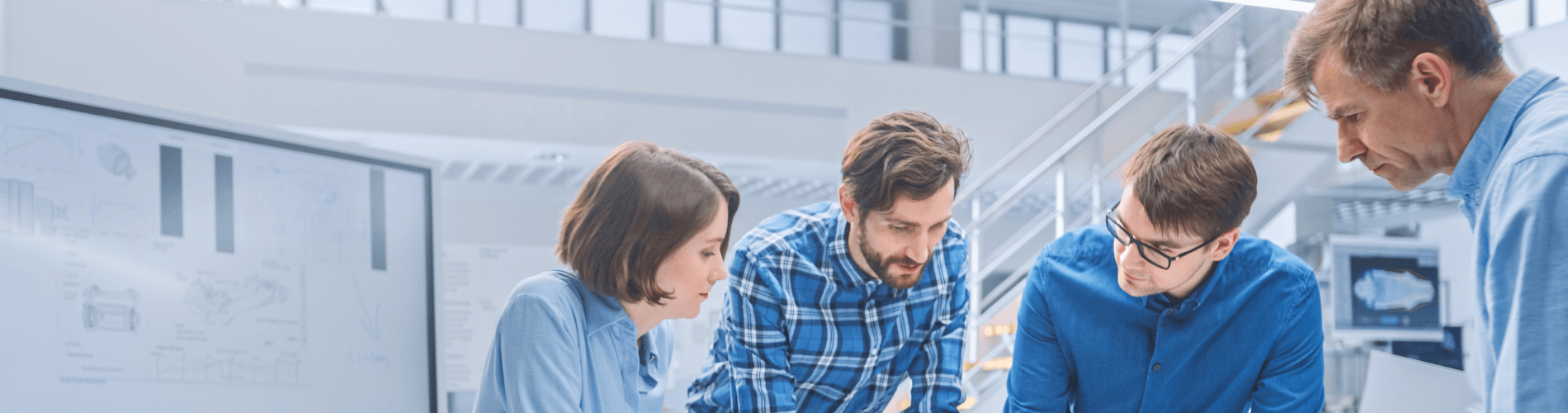
Treetown Tech employees discussing project

Integrated Systems

Treetown Tech’s cross-disciplinary team works under one roof to solve integration problems, the hardest challenges in rapid prototyping. Our multi-step approach to designing integrated systems includes stakeholder interviews, system architecture development, FMEA and FTEA, clear interface control documents, system compatibility testing, HIL testing, software verification, and continuous improvement strategies.

Treetown Tech’s Rapid Prototyping Approach

The instinct in hardware development is to prototype the easy parts first, get something in hand, show progress, build momentum. We take the opposite approach.

Risk Management

We attack the highest-risk technical problems first. If there's a fundamental question about whether the power system will work in this enclosure, or whether this sensing approach can achieve the required accuracy, that question needs an answer before you've invested six weeks in the surrounding design.

Design Iteration

Early prototypes are often ugly. They're not optimized. They're built to answer a specific question and break in a specific way. When they break (and they usually do), we learn something the digital model wouldn't have told us. Then we build the next one better.

In-House Support

Treetown Tech's 16,000 sq ft Ann Arbor facility is set up to support that cadence: fast builds, immediate testing, rapid iteration, manufacturing support, supplier qualification, and scaling optimization. Everything in-house means the mechanical engineer and the electrical engineer are both present when the test reveals a problem, not coordinating across vendors by email.

Stakeholder Alignment

Functional prototypes for investors, user testing, trade shows, or crowdfunding campaigns have different success criteria. Treetown Tech builds demonstration-ready functional prototypes alongside development prototypes. The engineering rigor is the same; the objective is proving the concept to an audience, not stress-testing it.

Design for Manufacturability

Every design gets real consideration toward manufacturability: tolerances, material selection, assembly sequences, and component sourcing are factored at each stage, scaled to how mature the design is. The result is that DFM work happens progressively, so the path from validated prototype to production-ready design is shorter.

IP Protection

IP stays with the client throughout. Our standard engagements are structured so that everything developed in the rapid prototyping process, including designs, firmware, and test data, belongs to you.

Industries We Serve

Food and Beverage Production Equipment

Production-scale systems with food-safe materials, hygienic design requirements, and process validation.

IoT and Connected Devices

Embedded systems, sensor integration, firmware, and hardware-software co-design for products that need to work reliably in the field.

Transportation and Accessibility Hardware

EU compliance, mechanical reliability under variable conditions, and cross-disciplinary integration across mechanical and electrical systems.

Frequently Asked Questions

A prototype shop builds what you specify. A product development partner helps you figure out what to specify and tells you when your current spec won't work. Treetown Tech operates as the latter. We prototype to validate concepts and answer technical questions, not just to make parts. That means we're engaged in the design decisions, not just the fabrication. If your product is early-stage or technically complex, the distinction matters.

Earlier than most teams expect, around week three. The purpose of an early prototype isn't to get close to the final product, it's to surface the technical risks that will derail the final product if you don't find them first. A rough, targeted prototype in week three is more valuable than a polished prototype in month four, because it answers the hard questions while there's still time to redesign. Treetown Tech typically starts with the highest-risk technical question, not the easiest geometry, and builds to answer it.

Yes, this is where integrated prototyping is most valuable. For products with embedded firmware, control systems, sensors, or connectivity, the hardware and software have to be developed and tested together. Treetown Tech's mechanical, electrical, and software engineers work in parallel on the same prototype, which means hardware-software interface problems are discovered during the build, not after it. Separate hardware and software tracks create integration surprises; we avoid them by design.

DFM is embedded from the first build, but the level of DFM at each stage is calibrated to where the design is in development. Early prototypes are built to answer questions, not to be production-ready, so we don't burn hours optimizing manufacturability on a design that's going to change tomorrow. What we do ensure is that every design is on the path to manufacturability: tolerances, material selection, assembly sequence, and component availability get real consideration at each stage, scaled to the design's maturity. By the time you're approaching a production-ready design, the DFM work has been done progressively rather than compressed into a single review at the end.

In our experience, most complex hardware products require three to five meaningful iterations before reaching a production-ready design. Simple products with well-understood technology may need fewer; products with novel mechanisms, new materials, or complex integration across disciplines typically need more. The goal of each iteration isn't perfection; it's answering the next open question. When we know what you're trying to learn from each build, the iteration count is easier to estimate.

The case for an outside partner is strongest when the product requires disciplines your internal team doesn't have, when you need to move faster than internal bandwidth allows, or when the prototype requires equipment and tooling that isn't worth maintaining in-house.

Iterating in Real Time

Related Posts

From Concept to Production,
Faster, Smoother, With Less Risk.

You have the vision. We have the team and expertise to get it built. Let's collaborate to innovate, problem-solve, and de-risk every step of the way.

Call Now
Contact
Start Project