Lithium-Ion Battery Engineering: Why Thermal Management Is Critical

Treetown Tech
Thermal management is critical in lithium-ion battery engineering. This article explores factors influence temperature and control methods.

Thermal management is critical in lithium-ion battery engineering. This article explores factors influence temperature and control methods.
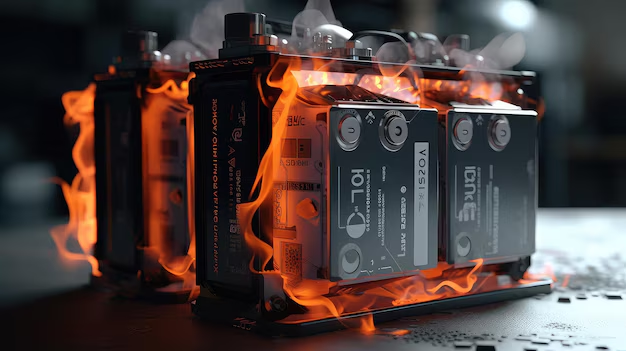
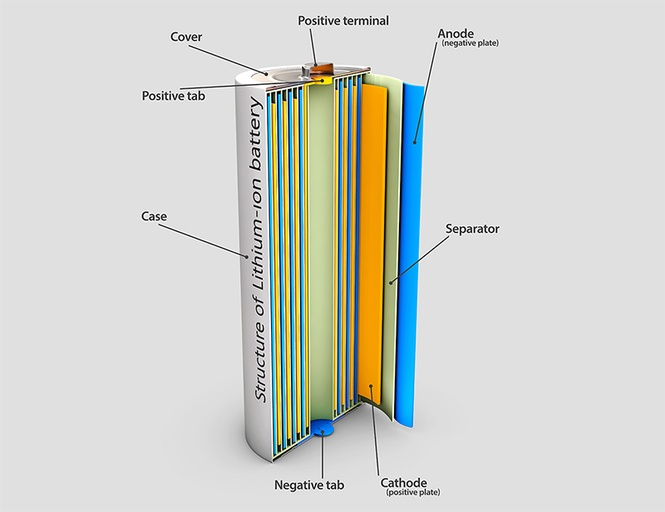
As electrification accelerates across industries, effective thermal management in lithium-ion (Li-ion) batteries has become indispensable not only for optimizing performance but also for ensuring safety. Poor temperature control can lead to battery degradation, system failure, or catastrophic thermal runaway, which may result in fire or explosion.
Proper thermal management involves controlling the heat generated during battery operation to keep temperatures within safe, optimal limits. Thermal management also helps prevent critical risks like thermal runaway, a self-amplifying chain reaction caused by overcharging, physical damage, or internal short circuits, where rising temperatures trigger internal chemical reactions, further increasing risks. If left unchecked, it can lead to fires, toxic gas release, or explosions.
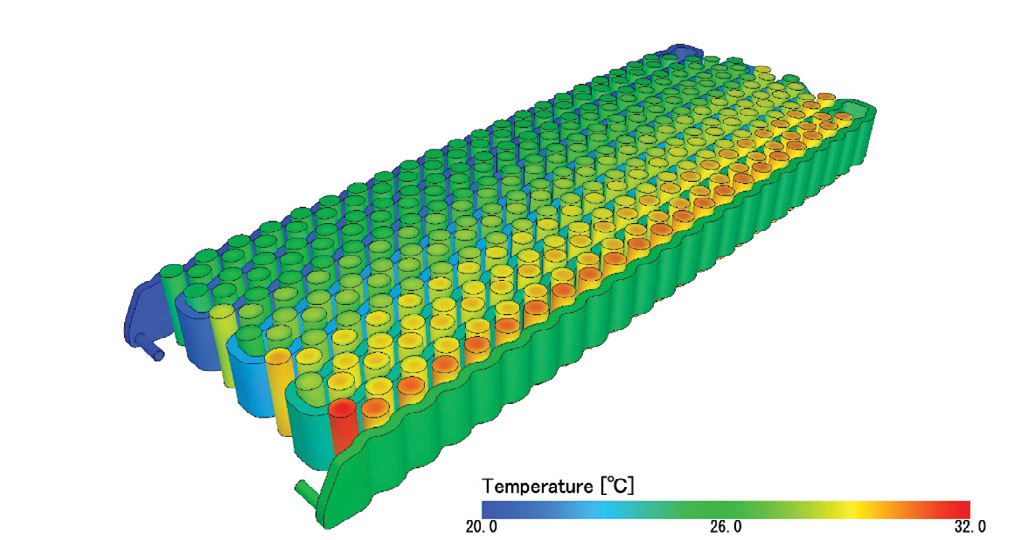
Several factors influence the temperature of a Li-ion battery, which can be categorized as internal or external.
Internal factors include:
External factors include:
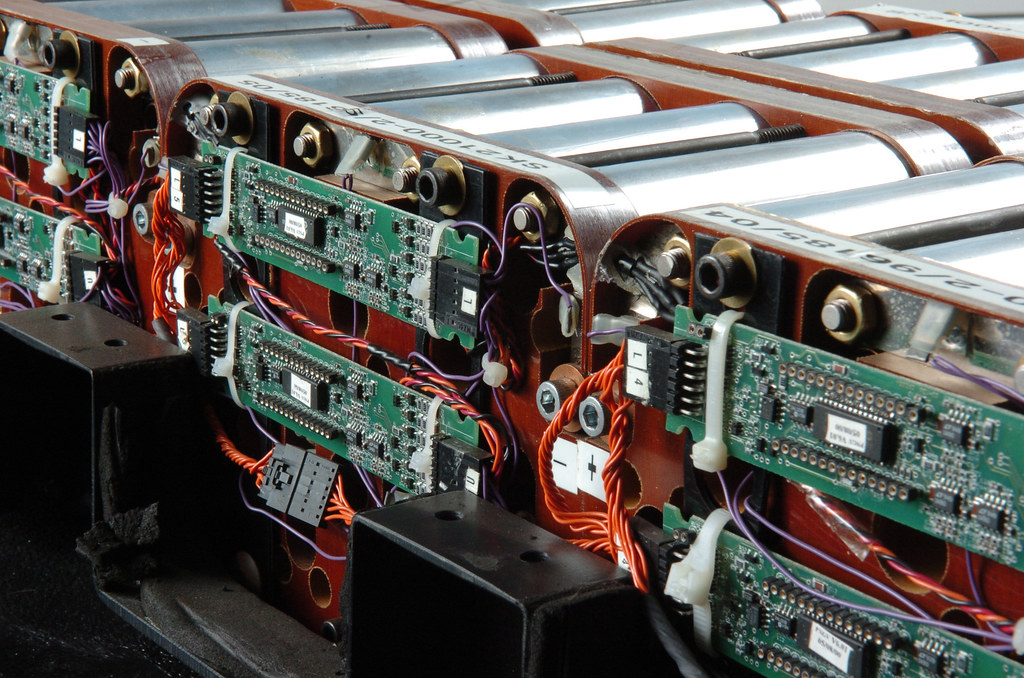
There are several methods for controlling battery temperature, and those are:
The right thermal management solution varies based on the application. For example, electric vehicles require liquid cooling and intelligent thermal design to prevent overheating, while consumer devices use high-density, compact batteries that require micro-scale solutions.
If you don’t have an in-house battery engineering team or experience in developing battery management systems, it’s smart to consult a professional who can model and simulate thermal behavior, design systems that comply with safety regulations, and implement complex sensors, diagnostics, and fail-safe mechanisms.
Battery engineers also keep up with technological innovations, including smart BMS integration, phase-change materials and nano-coatings, and AI-driven thermal modeling simulators.
Proper thermal management starts with a safe, reliable battery design. As energy storage systems grow more powerful and compact, professional engineering oversight is vital to addressing thermal challenges and mitigating risk.
Treetown Tech integrates chemistry, mechanical design, and system engineering to develop smart battery solutions. We love a good challenge, so contact us today to get help with thermal modeling or battery prototyping!
You have the vision. We have the team and expertise to get it built. Let's collaborate to innovate, problem-solve, and de-risk every step of the way.