Treetown Tech white logo

The Critical Role of Battery Management Systems (BMS)

Treetown Tech

Learn more about the role battery management systems play and design challenges and considerations.

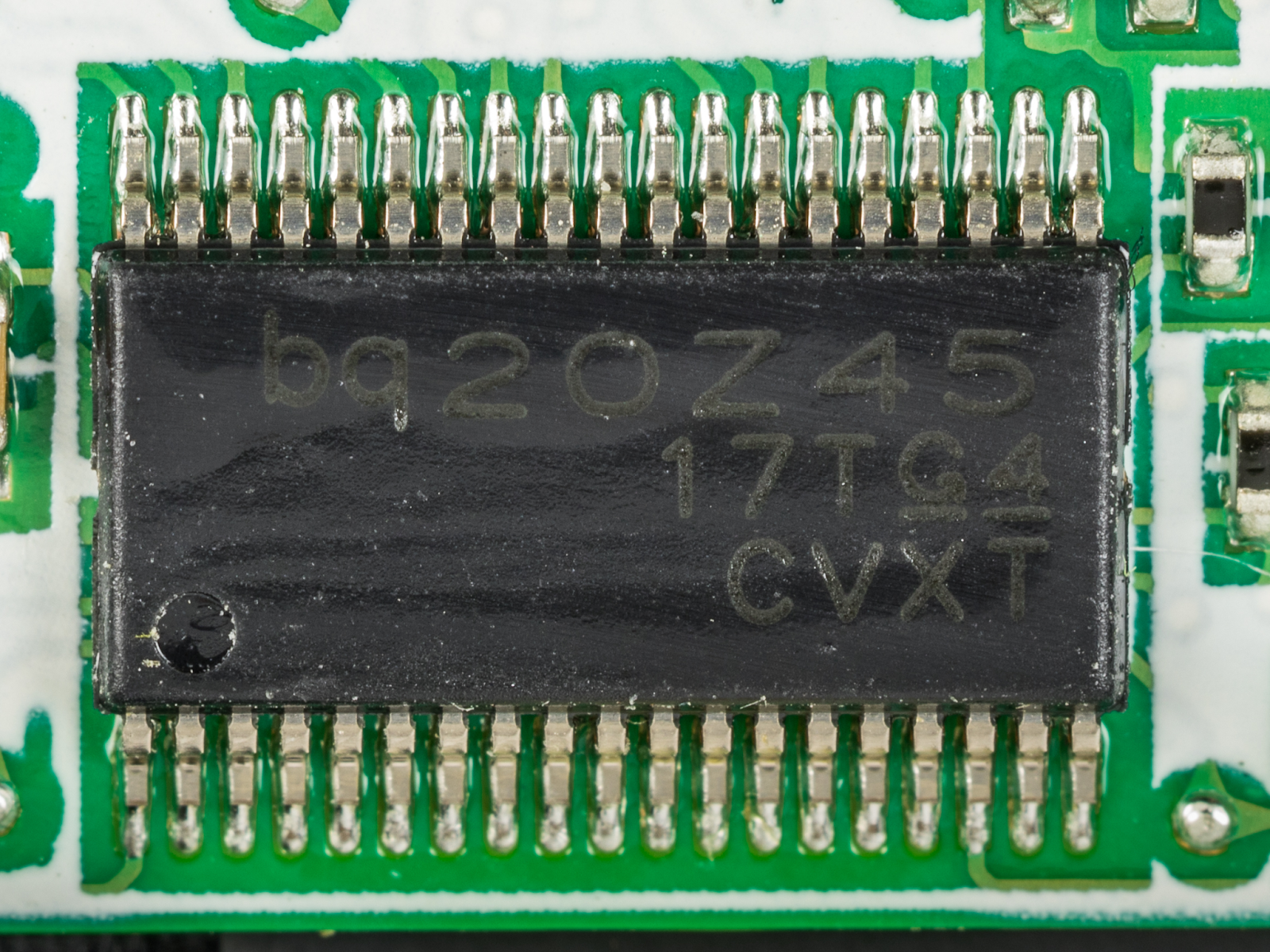
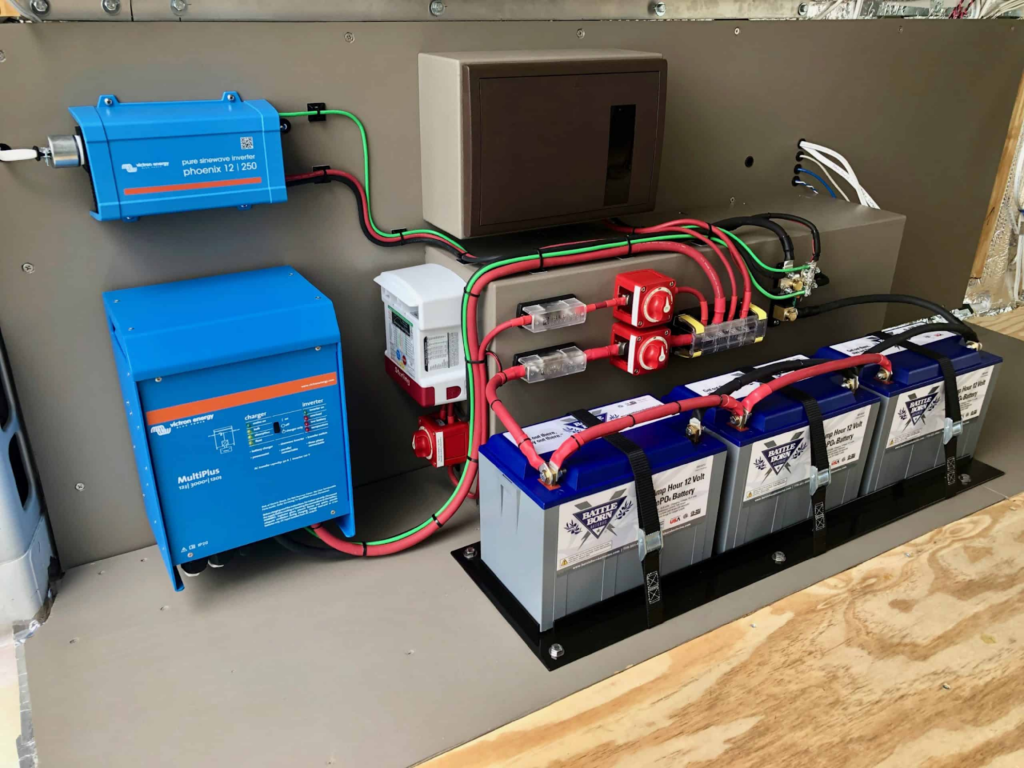
Batteries in a series||Computer circuitry|Close-up of computer chip
Table Of Contents

Battery Management Systems (BMS) serve as the intelligent control centers of battery packs to prevent cell damage, ensure safety, maximize efficiency, and extend battery life. They’re critical in today’s advanced energy solutions, from electric vehicles to grid-scale renewable storage to portable electronics.
Safety & Performance: The Two Functions of BMS

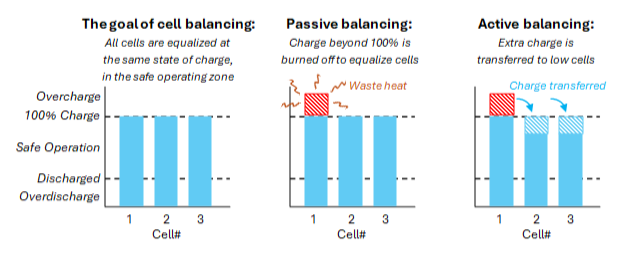
a diagram explaining the different types of battery management systems

Safety Monitoring

The BMS continuously monitors critical parameters, such as voltage, current, and temperature, to prevent hazardous conditions, including:

  • Overcharging or over-discharging
  • Overheating
  • Short circuits
  • Thermal runaway

This layer of protection is vital in high-stakes applications like EVs and aerospace, where failure is unacceptable.

Performance Optimization

By estimating the State of Charge (SoC) and State of Health (SoH), the BMS optimizes charging cycles and prolongs battery lifespan, which in turn enhances battery reliability and efficiency across demanding environments and applications.
Designing Battery Management Systems

Battery Management Systems (BMS)

Key Challenges

  • Accurate SoC/SoH estimation: Nonlinear battery behavior, especially under extreme conditions, complicates precise measurement. This requires large datasets, sophisticated modeling, and AI-enhanced calibration.
  • Safety versus performance trade-offs: Balancing maximum power delivery with safe operating limits is a critical engineering challenge.
  • Performance versus cost: Consumer electronics demand high functionality at low cost, requiring clever feature optimization without sacrificing reliability.
  • Architecture decisions: Choosing between centralized, distributed, or hybrid BMS architectures affects cost, scalability, and complexity.
  • Communication protocols: BMS units must seamlessly communicate across devices using standards like CAN, LIN, or Modbus, while preserving system integrity.
  • High-voltage considerations: For EVs and industrial applications, the BMS must support high-voltage interlock (HVIL), isolation monitoring, and contactor diagnostics to meet strict functional safety requirements.

Combining Hardware & Software

Developing BMS requires expertise in electrical engineering and software engineering:

  • Electrical: Designers develop robust circuitry, integrate precise sensors, and build fault-tolerant architectures capable of withstanding variable loads and environmental conditions.
  • Software: Advanced algorithms interpret sensor data, execute real-time control logic, and interface with broader systems, including vehicle control units, grid management platforms, and industrial IoT networks.

Standard Design Expectations & Considerations

Modern BMS designs must accommodate:

  • Multiple lithium and alternative chemistries
  • Wide operating temperature ranges
  • Dynamic usage profiles, including fast-charging and regenerative braking

This demands rigorous validation, extensive testing, and continuous readiness to evolve with emerging battery technologies.

Why BMS Innovation Matters

Battery Management Systems are far more than simple control units; they’re critical enablers of safe, efficient, and future-ready energy storage. Designing a cutting-edge BMS requires a multidisciplinary approach, ongoing refinement, and deep expertise in battery science and embedded systems.

At Treetown Tech, we combine battery design, embedded software, and system engineering expertise to deliver world-class BMS solutions from prototype development through full-scale production.

Have a BMS challenge or design goal? Contact Treetown Tech today.

From Concept to Production,
Faster, Smoother, With Less Risk.

You have the vision. We have the team and expertise to get it built. Let's collaborate to innovate, problem-solve, and de-risk every step of the way.