
Treetown Tech white logo

Advanced Mechanical Engineering

Treetown Tech helps companies across the United States achieve success during the challenging transition from product ideation to production.

We offer honest, unbiased recommendations and help with:

  • 3D modeling and design refinement
  • Risk management
  • Simulations and physical testing
  • Multidisciplinary problem-solving
  • Cost management

Advanced Simulation Tools

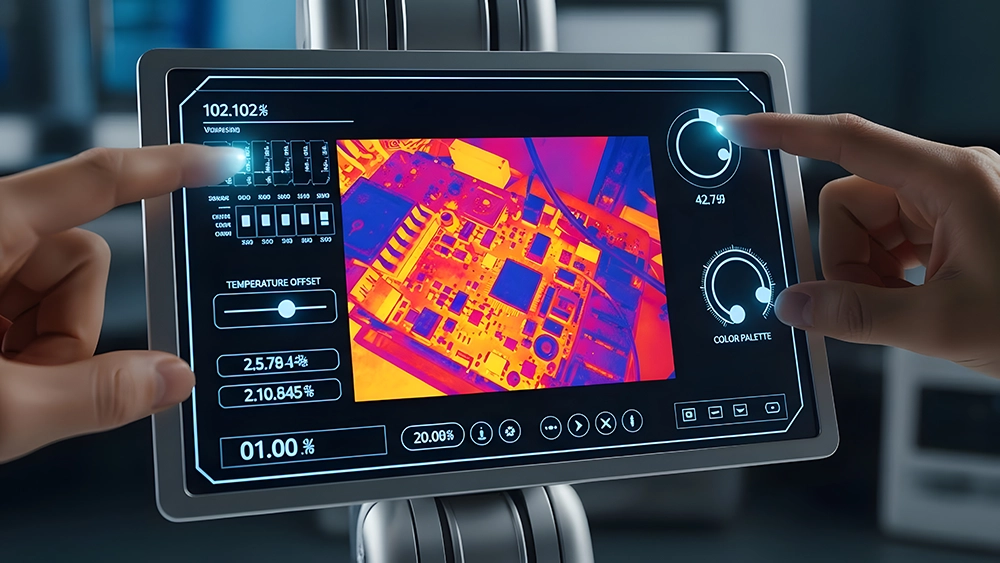
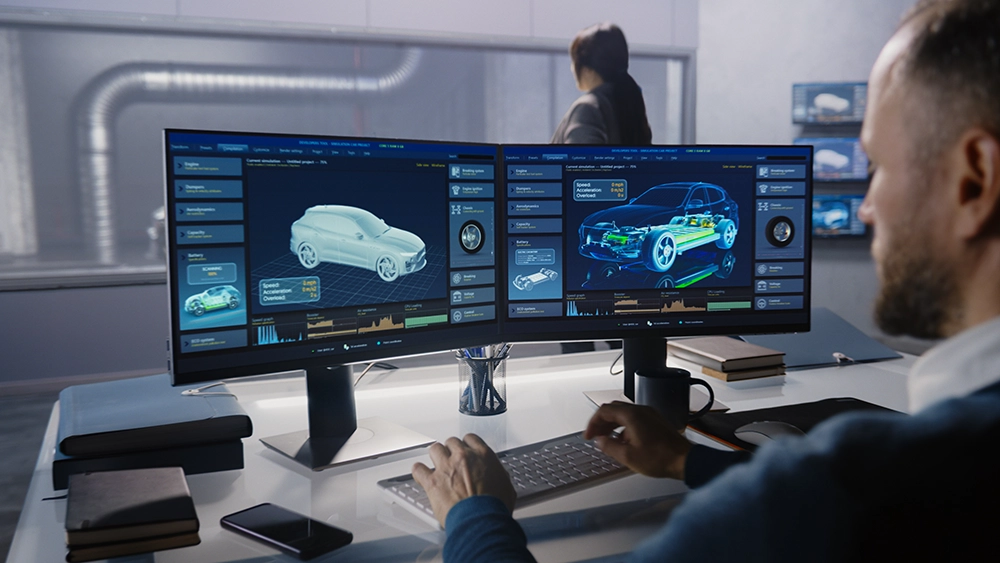
We use SimScale, ANSYS, and SOLIDWORKS to run high-fidelity CFD, FEA, vibration and thermal analysis — tools and techniques that most mechanical teams don't have in-house. That depth means we can answer hard questions about your design before you commit to hardware.
Simulation vs. Test Judgment

Knowing when to simulate and when to build is as important as the analysis itself. We help clients choose the path that gets to the right answer fastest — and we're honest about when a simulation is sufficient and when a physical test is the only thing that will be believed.

Systems-Level Thinking

We design enclosures and assemblies with thermal, RF, vibration, optical, structural, and ergonomic constraints in view simultaneously. Problems that surface late in siloed development get caught early when disciplines work together from the start.
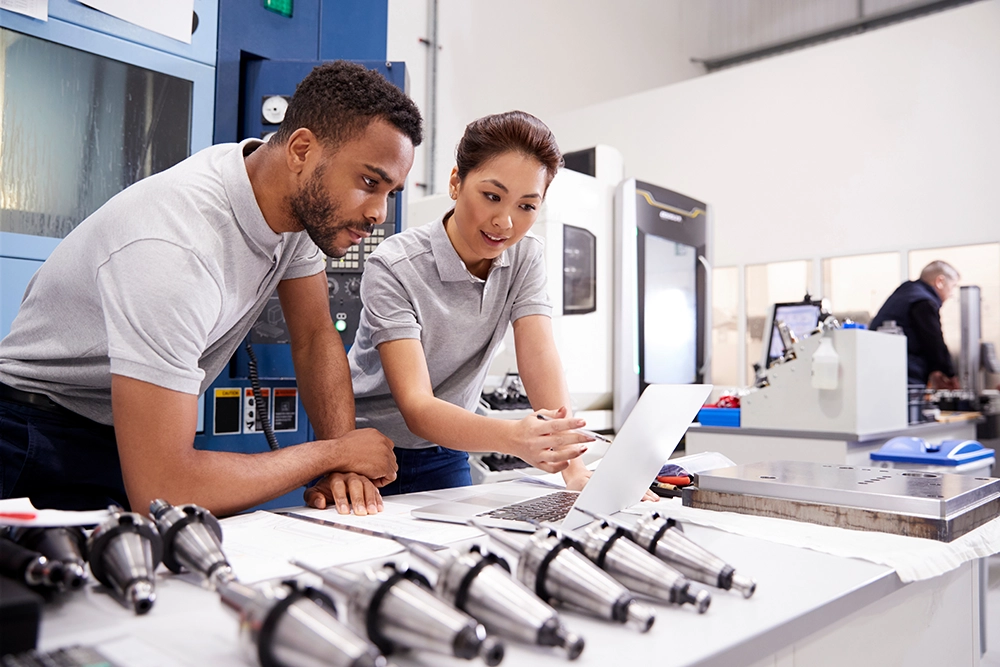
Manufacturing Transition

We guide clients from prototype to production with the right process at the right time — right-sizing tooling investment to match your actual volumes and design confidence, and building quality and cost considerations in from the beginning.

Working With Treetown Tech

Treetown Tech brings advanced mechanical engineering capabilities to complex product challenges — from early simulation and iterative prototyping through manufacturing transition. Our team combines analytical depth with practical build experience, so you get the right answer faster and with fewer expensive surprises.

Domestic Sourcing

Treetown Tech can stay compliant with the latest domestic sourcing standards (Buy America, National Defense Authorization Act, etc) throughout every stage of product development. Materials are sourced from domestic suppliers, and assembly is performed in-house at our Michigan-based facility or with local partners.

Advanced Simulation

Our team uses SimScale, ANSYS, and SOLIDWORKS to run high-fidelity CFD, FEA, and thermal analysis that most mechanical teams don't have in-house. That depth means we can answer hard questions about your design before you commit to hardware.

Holistic Approach

We design enclosures and assemblies with thermal, RF, vibration, optical, and structural constraints in view simultaneously — not sequentially. Problems that surface late in siloed development get caught early when the right disciplines are working together from the start.

Simulation or Test — We Know the Difference

Knowing when to simulate and when to build is as important as the analysis itself. We help clients choose the path that gets to the right answer fastest, and we're honest about when simulation is sufficient and when only a physical test will be believed.

FAQs

We use SimScale for CFD, ANSYS for FEA and thermal analysis, and SOLIDWORKS for supplementary thermal work. The tools matter because they determine the fidelity of the answers — and fidelity determines whether you can trust a simulation enough to act on it. Many mechanical teams run basic FEA but lack the depth to do credible thermal-fluid analysis or high-fidelity vibration modeling. We use these tools not to check boxes but to close the gap between what the model predicts and what the hardware actually does.

It depends on what question you're trying to answer and how much confidence you need in the answer. Simulation is faster and cheaper for understanding system behavior, exploring design alternatives, and narrowing the solution space. Physical testing is necessary when the simulation model isn't mature enough to be trusted, when safety margins are tight, or when a customer or certifying body won't accept analysis alone. The real discipline is knowing which situation you're in — and not defaulting to testing because it feels more concrete, or to simulation because it's faster.

Topology optimization is a computational method that identifies the most efficient distribution of material within a design space given a set of structural constraints and load cases. Rather than designing a part and then checking if it's strong enough, you define the boundary conditions and let the solver reveal where the load is actually carried — then remove the material that isn't doing meaningful work. It's most valuable for weight-critical applications like airframe structures and aerospace components, and for composite parts where material orientation interacts with structural performance in ways intuition doesn't handle well.

It means designing mechanical components and assemblies with awareness of every discipline that interacts with them — not just structural loads. An enclosure, for example, isn't just a structural problem. It's simultaneously a thermal management problem, an RF shielding problem, a vibration isolation problem, and potentially an optical path problem. Designing it well requires holding all of those constraints in view at once, which only happens when the right disciplines are collaborating from the beginning rather than reviewing each other's work at the end.

Most integration problems between mechanical and electrical systems are geometry and thermal problems in disguise — PCB layout constrained by package geometry, thermal solutions that only work if the mechanical structure accommodates them, connector locations that conflict with assembly access. When ME and EE engineers work in parallel from early in the program, these conflicts surface as design decisions rather than engineering change orders. The cost difference is significant, and so is the quality of the solution.

We're strongest on problems that sit at the intersection of multiple technical constraints — weight-critical structures, thermally demanding electronics packaging, products transitioning from prototype to production, and systems where mechanical and electrical performance are tightly coupled. If your mechanical challenge is relatively self-contained and well-defined, a larger commodity engineering firm may be a better fit. If it involves significant uncertainty, cross-disciplinary complexity, or both, that's where our team adds the most value.

From Concept to Production,
Faster, Smoother, With Less Risk.

You have the vision. We have the team and expertise to get it built. Let's collaborate to innovate, problem-solve, and de-risk every step of the way.

Call Now
Contact
Start Project