Treetown Tech white logo
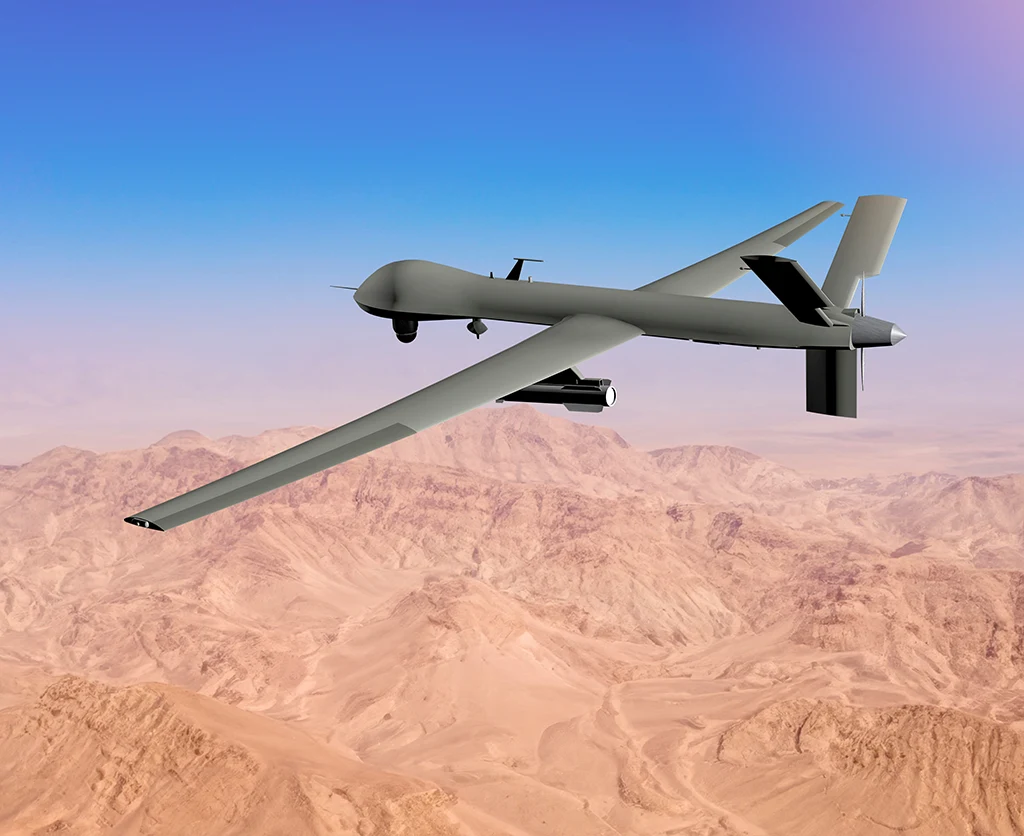
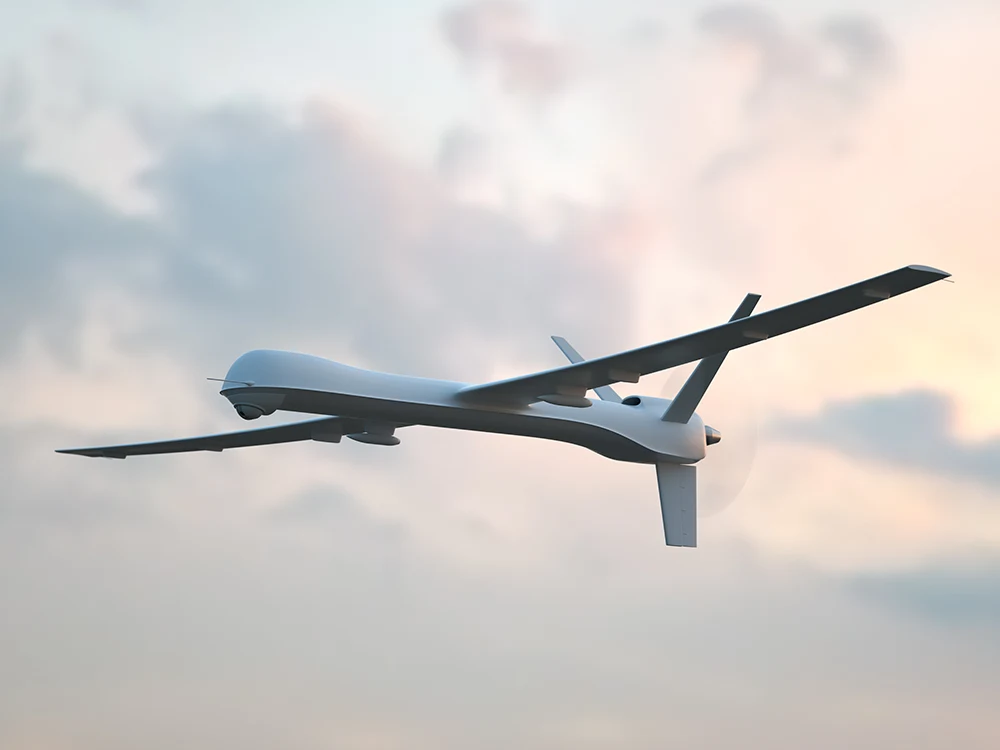
Military-grade fixed-wing UAV flying over desert terrain, illustrating Treetown Tech’s autonomous vehicle engineering and defense systems expertise

UAV/Drone

Treetown Tech engineers and supplies the critical systems that make UAVs perform — from power and controls to sensing and structure. Whether you need a development partner or a hardware supplier, we bring multidisciplinary expertise built for the demands of modern unmanned systems.

  • Custom GNC and flight control, developed or delivered
  • Flight-optimized battery and power systems, built to spec
  • Multi-sensor fusion and payload integration, concept to hardware
  • NDAA-compliant designs, components, and supplier relationships
  • From development partner to production supplier, all in one team

UAV Control Systems

Treetown Tech designs secure flight controllers using Blue UAS-approved components, keeping your platform mission-ready and compliant. Through rigorous development testing, we dial in stabilization, optimize sensor inputs, and customize the control architecture around your specific payload, whether that's an imaging system, a delivery mechanism, or something entirely new.
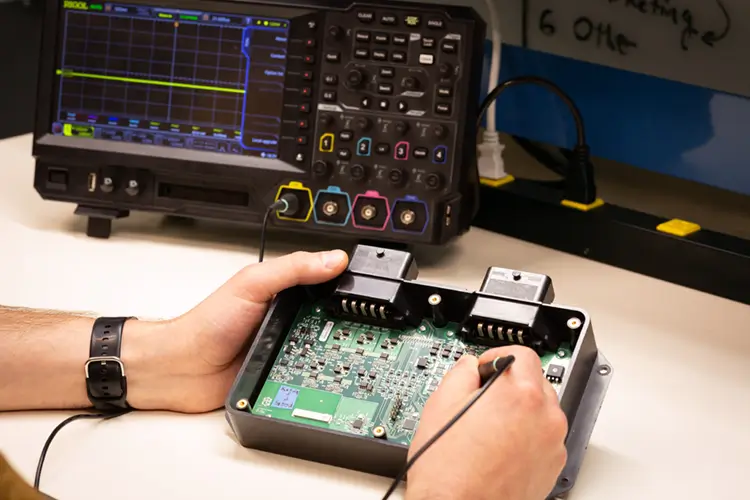
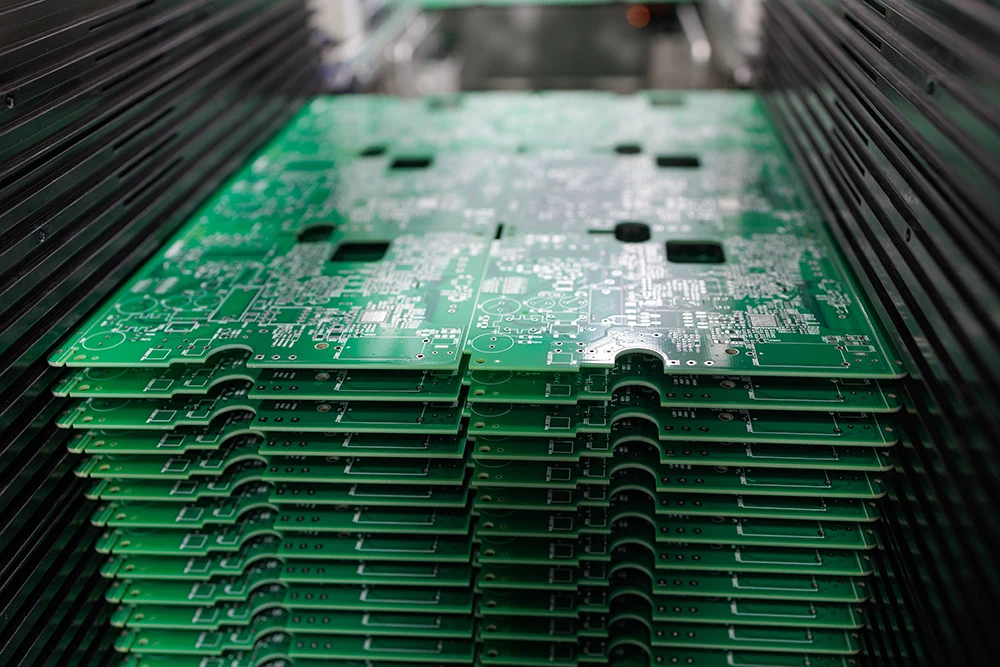
Treetown Tech employee working on a circuit board

Battery Solutions for UAVs/Drones

Batteries are the foundation of today’s technology, including drones. Without reliable energy storage and management, systems won’t work. Our in-house battery engineering team can help design packs, systems and chargers, and BMS that ensure better flight time, payload capacity, and operational range.

Defense & Security UAVs

Treetown Tech supports U.S. infrastructure by helping contractors design UAVs with hardened systems that can perform reliably in harsh conditions and withstand electronic warfare. Instead of spending all of your internal resources on R&D, rely on our decades of combined industry experience.
Supply Chain

A UAV is only as reliable as the components inside it, and finding qualified suppliers for complex builds is harder than most teams expect. We bring established relationships across avionics, power systems, structures, and electronics to keep your program moving without costly sourcing surprises.

Intelligence & Sensing

Navigation, sensor fusion, and machine vision are what separate a modern drone from a remote-controlled aircraft. Our team designs integrated telematics systems, machine vision algorithms, and AI-driven autonomy that give your platform a genuine capability edge over the competition.

Treetown Tech employees looking at computer screen

Working With Treetown Tech

Treetown Tech specializes in bringing napkin-sketch prototypes into real-world devices through a cross-disciplinary approach. Yes, UAV/drone engineering is incredibly complex, but our team, composed of industrial designers, software engineers, electrical engineers, and mechanical engineers, loves a good challenge.

NDAA Compliant

Treetown Tech stays compliant with the National Defense Authorization Act throughout every stage of product development. Any materials we use are purchased from domestic suppliers, assembly is performed in-house in our Michigan-based facility, and we source hardware from the Blue UAS list.

Expertise

Our cross-disciplinary engineering team works together, all under one roof, to solve your toughest, most undefined problems. Mechanical, electrical, software, and systems engineers collaborate from day one, so nothing falls through the cracks between disciplines.

Holistic Approach

We consider the complete solution from the technical details to your business needs to deliver a product that fits your precise needs. That means every design decision is weighed against your cost targets, timeline, regulatory requirements, and real-world operating conditions, not just what's technically elegant.

Rapid Innovation

We take a risk-management-based approach to innovation built around fast, iterative prototypes right in our shop. By attacking the hardest technical risks first, we cut off dead ends early and build confidence in the right solution faster.

FAQs

Yes — and the design starts with your mission, not a reference architecture. Flight controller design looks deceptively similar across platforms until you get into stabilization tuning, sensor weighting, and failure mode behavior under payload variation. We use Blue UAS-approved components throughout, but the harder work is customizing the control architecture to your specific airframe dynamics and operational envelope. A controller that works well for a fixed-wing ISR platform behaves very differently than one optimized for a multirotor delivery vehicle, even if the underlying hardware is similar.

Yes. We source hardware from the Blue UAS list, use domestic suppliers for materials, and perform assembly in-house in Ann Arbor. But NDAA compliance isn't just a sourcing checklist — it affects design decisions earlier in the process than most teams expect. Component availability constrains architecture choices, lead times affect development schedules, and what's on the approved list evolves. We build compliance in from the requirements phase rather than auditing for it at the end, which is where most programs run into problems.

We design full power systems — pack architecture, BMS, and charging — not just cells in a housing. The decisions that matter most for UAV power are rarely about cell chemistry alone; they're about how thermal behavior, discharge curves, and protection logic interact under your actual duty cycle. A pack optimized for peak power delivery degrades differently than one optimized for endurance, and a BMS that works well on the bench may not handle the transient loads of an aggressive maneuver. We engineer those tradeoffs explicitly rather than leaving them to margin stacking.

Yes, and the integration challenge is usually harder than the individual sensor challenge. Most programs don't fail because they chose the wrong IMU or the wrong camera — they fail because the fusion architecture doesn't handle sensor disagreement gracefully, or because the autonomy stack makes assumptions about latency and compute that the hardware can't support. We work across GPS-denied navigation, sensor fusion, machine vision, and AI-driven autonomy, with the systems-level discipline to make sure those components function as a coherent system rather than a collection of capable subsystems.

Yes. Defense UAV programs have requirements that don't show up in commercial development — hardened electronics, EW resilience, specific reliability standards, supply chain documentation. We help contractors build systems that meet those requirements without rebuilding their entire engineering organization around defense program management. The practical value is that you get deep technical capability on the subsystems we own, without diverting your internal resources from mission definition and systems integration.

Both, and the distinction matters less than most clients initially assume. The same engineering judgment that informs development — how to architect a power system, how to spec a sensor suite, how to stage risk through the program — is what makes us a better supplier. We're not selling standard catalog hardware; we're supplying subsystems we understand deeply enough to have designed ourselves. That means faster integration, fewer surprises, and a cleaner path to fielded hardware whether we're involved from concept or joining at the production stage.

Yes, and sourcing is where a lot of programs quietly lose time. The challenge isn't finding components that spec well on paper — it's knowing which suppliers can actually deliver qualified parts at your volumes, on your schedule, with the documentation your program requires. We maintain established relationships across avionics, power systems, structures, and electronics, and our sourcing decisions are informed by what we've seen actually work in production, not just what's available in a distributor catalog.

The honest answer is cross-disciplinary integration — not as a tagline, but as an operational reality. Most UAV development problems that surface late are actually early-stage design problems that nobody caught because the mechanical, electrical, and software teams weren't working against the same set of constraints simultaneously. Our team works under one roof, which means those conflicts become design decisions rather than engineering change orders. The difference shows up most clearly on programs with significant technical uncertainty — where the problem isn't just executing a known design, but figuring out what the right design is.

From Concept to Production,
Faster, Smoother, With Less Risk.

You have the vision. We have the team and expertise to get it built. Let's collaborate to innovate, problem-solve, and de-risk every step of the way.

Call Now
Contact
Start Project